
Acupuncture for Perimenopause: What to Expect at Your First Session
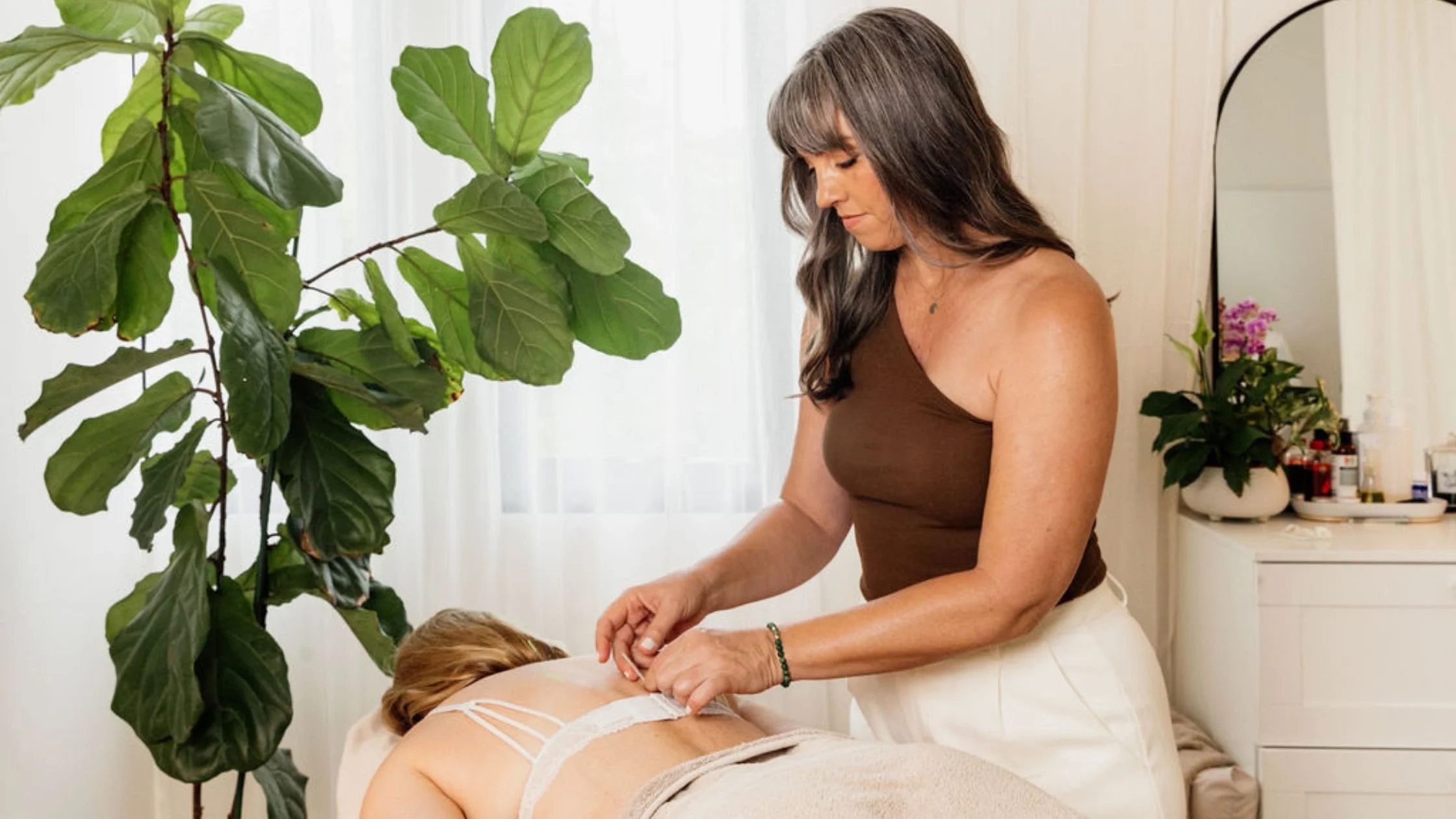
Acupuncture is a well-supported natural approach for perimenopause symptoms, including hot flushes, sleep disruption, anxiety, mood changes, and hormonal fatigue. I’ve been treating women through this transition for over 20 years, and it remains the area of my practice I find most rewarding, because the shifts I see are real and they happen relatively fast.
If you’ve been considering acupuncture but you’re not sure what’s actually involved, or whether it can genuinely help with what you’re experiencing, this is the post where I lay it all out. No vague promises - what happens, why it works, and what you can realistically expect.
What Perimenopause Actually Does to Your Body
Perimenopause is the transition phase before menopause, and it can begin anywhere from your late 30s to your early 50s. It’s driven by fluctuating levels of oestrogen and progesterone, and those fluctuations affect far more than your cycle.
Most women know about the obvious symptoms: hot flushes, irregular periods, night sweats. But the ones that bring women into my clinic most often are the ones nobody warned them about:
Waking at 2 or 3am and not being able to get back to sleep
Anxiety that appeared out of nowhere, sometimes with heart palpitations
Brain fog so thick you lose words mid-sentence
Fatigue that doesn’t improve no matter how much rest you get
Irritability that feels disproportionate to the situation
A feeling of having lost access to who you used to be
These aren’t something you should just push through, they’re your nervous system and your endocrine system responding to a significant hormonal shift, and they respond well to treatment.
How Acupuncture Works for Perimenopause
In Chinese Medicine, perimenopause is understood as a transition in the Kidney system, which governs reproductive vitality, energy reserves, and the body’s capacity to adapt to change. When the Kidney system is depleted, symptoms intensify. When it’s supported, the transition smooths out considerably.
Acupuncture works by regulating the communication between your brain and your reproductive system (the HPO axis), calming the nervous system’s stress response, and improving blood flow to the ovaries and uterus. A 2025 systematic review published in Clinics found that acupuncture used alongside standard care significantly improved perimenopausal insomnia, and a meta-analysis in Frontiers in Psychiatry found that acupuncture outperformed control groups for perimenopausal depression and quality of life.
But research aside, what I see in clinic every week is this: women who come in wired, exhausted, and frustrated start sleeping through the night within a few sessions. Mood, hot flushes, and overall sense of wellbeing are among the symptoms women most commonly report improvement in, and they start to feel like themselves again. This is what happens when the nervous system calms down and the body has enough resource to regulate its own hormones.
What Happens at Your First Acupuncture Appointment
If you’ve never had acupuncture before, your first session at Chevron Island Health Studio will probably feel different from any other health appointment you’ve had.
We start with a proper conversation. Your initial consultation is longer than a standard return visit because I need to understand the full picture. I’ll ask about your cycle, your sleep, your energy at different times of the month, your digestion, your stress levels, your mood, and what’s changed and when. I’ll also look at your tongue and take your pulse, both of which give me detailed information about what’s happening internally that blood tests don’t always capture.
Then I build a treatment plan specific to you. Perimenopause looks different in every woman. The woman waking at 3am with anxiety and night sweats needs a completely different point prescription to the woman dealing with heavy periods, exhaustion, and brain fog. Twenty years of clinical experience means I can read these patterns quickly, and it makes a real difference to the results.
The needles go in, and then you rest. I use very fine, single-use needles, around a quarter of a millimetre thick. Most women barely feel them going in. Some points might produce a mild, dull ache for a moment, which is actually a sign the point is working. Once the needles are placed, you lie in a warm, quiet room for 20 to 30 minutes. For many women, this is the first genuinely still, uninterrupted rest they’ve had in weeks. Some fall asleep. That’s a good sign.
After the session,most women feel deeply relaxed. Some feel a wave of tiredness that evening, which is the body processing the treatment. By the next day, you’ll often notice your sleep is slightly better or your mood feels a bit steadier. These improvements build with each session.
What Perimenopause Symptoms Does Acupuncture Support?
I treat you and your experience of perimenopause symptoms in clinic. The ones that women experience most are:
Sleep disruption and insomnia. This is often the first thing to improve. Women who haven’t slept through the night in months find this one of the the first things that start improving, though the timeframe varies for each person Sleep is foundational, so when it comes back, everything else starts to shift.
Hot flushes and night sweats. Acupuncture helps regulate your body’s internal thermostat by calming the nervous system and addressing the underlying pattern in Chinese Medicine (usually Kidney Yin deficiency with heat rising). Most women see a noticeable reduction in frequency and intensity.
Perimenopause anxiety. This is the symptom I see most often, and it’s the one women are most relieved to hear has a physiological explanation. The anxiety isn’t you losing your mind, it’s your nervous system responding to hormonal fluctuation, and acupuncture is particularly effective at settling it.
Brain fog and poor concentration. When your sleep improves and your stress hormones drop, cognitive clarity comes back. Women regularly tell me they feel sharper and more present within the first month of treatment.
Mood changes, irritability, and low mood. These are closely tied to Liver Qi stagnation in Chinese Medicine. When Qi is stuck, emotions intensify and your tolerance drops. Acupuncture moves that stagnation, and many women notice a shift within the first few sessions"
Irregular or heavy periods. As oestrogen and progesterone fluctuate, cycles can become unpredictable, heavier, closer together, or further apart. Acupuncture supports cycle regulation by improving blood flow and supporting the hormonal feedback loop.
Fatigue that sleep doesn’t fix. This bone-deep exhaustion is usually Kidney deficiency in Chinese Medicine. It responds to treatment, but it takes longer than the other symptoms because we’re rebuilding reserves that have been depleted over years, not weeks.
How Many Sessions Will You Need?
I’m always honest about this. Acupuncture for perimenopause is not a one-off fix. It’s cumulative, and consistency matters.
Many women begin to notice changes within four to six sessions, with weekly treatments in the initial phase - though individual responses vary. Sleep and anxiety tend to respond first. Hot flushes, mood, and cycle changes take a bit longer, usually six to ten sessions before a consistent shift.
Once your symptoms have stabilised, we typically move to fortnightly and then monthly maintenance sessions. Think of it as ongoing support for a body going through a significant transition, not a course of treatment with a fixed end date.
I always recommend committing to weekly sessions for the first four weeks before deciding whether acupuncture is working for you. One session gives you a taste, but it doesn’t give your body enough input to create lasting change.
Can Acupuncture Work Alongside HRT?
Absolutely. Many of my patients are on HRT and find that acupuncture addresses the symptoms that hormones alone don’t fully resolve, particularly sleep, anxiety, and that general feeling of being depleted.
Acupuncture and HRT work on different systems. HRT addresses hormonal levels directly. Acupuncture works with the nervous system, stress response, and the underlying patterns in Chinese Medicine that influence how your body processes the transition. They complement each other well, and I regularly work alongside GPs and integrative doctors to give women the most comprehensive support possible.
If you’re considering HRT and haven’t started yet, acupuncture can also help you manage symptoms while you work through that decision. There’s no pressure either way. I’m interested in what actually helps you feel better.
What Makes CIHS Different
I say this not to sell but because I think it matters: I’ve been through this myself. Four years ago, I hit burnout right in the middle of my own perimenopause, and it gave me a clinical understanding of this transition that textbooks don’t provide.
At Chevron Island Health Studio, perimenopause care isn’t a sideline. It’s the core of what we do. I hold a Doctor of Traditional Chinese Medicine qualification, I’ve been in clinical practice for over 20 years, and I specialise specifically in women’s hormonal health, perimenopause, fertility, and nervous system support.
Every treatment is tailored. There is no standard perimenopause protocol here. Your symptoms, your history, your constitution, and where you are in the transition all shape what I do in each session.
If You’ve Been Thinking About Trying Acupuncture
If perimenopause symptoms have been affecting your sleep, your mood, your energy, or your sense of yourself, and you’ve been wondering whether acupuncture could help, the honest answer is that it very likely can.
The women who get the best results are the ones who come in before they’re completely depleted, but even if you feel like you’ve left it late, your body is still able to respond. I see it every week.
You are warmly invited to come in. We’ll take the time to understand what’s going on for you and work with your body to address it.
Book your initial consultation here.
With warmth, Keri & the CIHS team
Dr Keri Krieger · Doctor of TCM · 20+ years clinical experience · Specialising in women’s hormonal health, perimenopause and fertility · Chevron Island, Gold Coast